
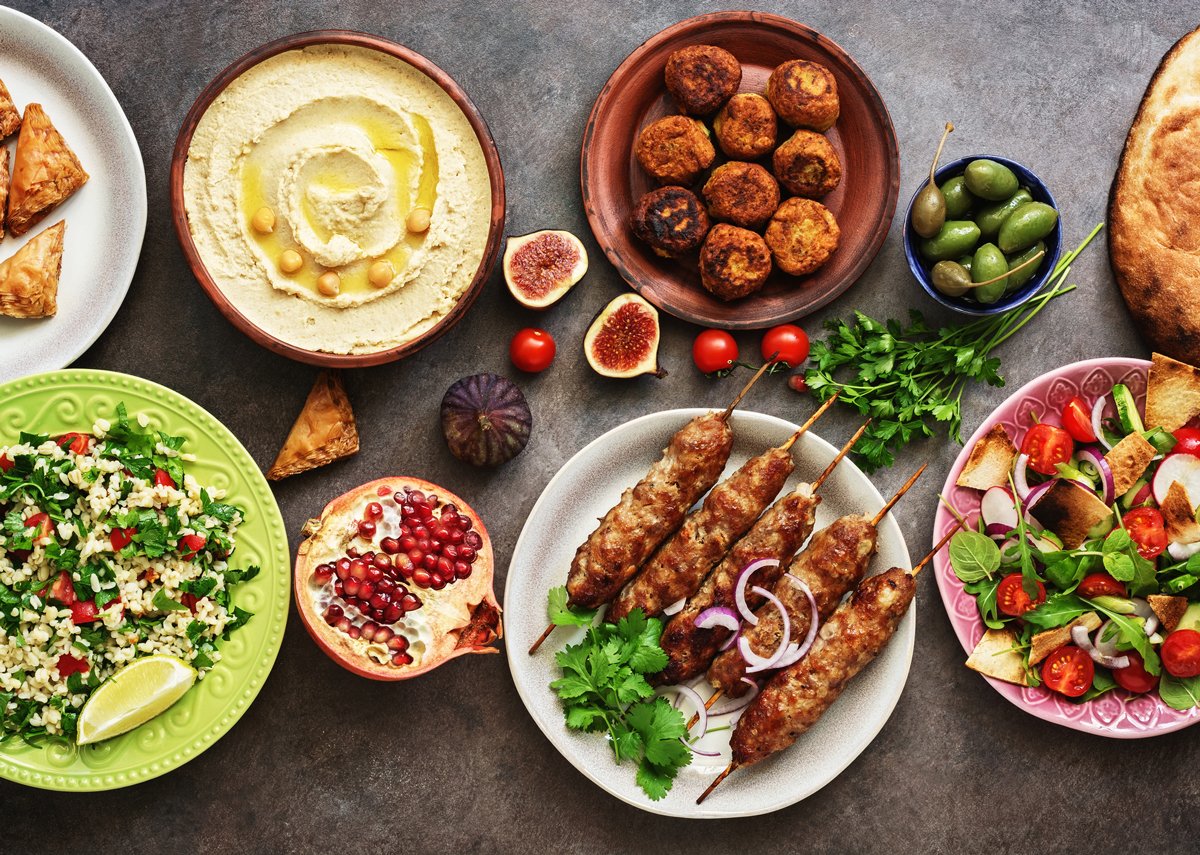
Halal foods are foods that are permissible according to Islamic dietary laws. While there is no specific “halal diet,” there are many halal foods that can be incorporated into a healthy diet. Here are some examples:
- Fruits and Vegetables:
- All fruits and vegetables are halal, and they are an important part of a healthy diet. They are rich in vitamins, minerals, and fiber and can be eaten raw, cooked, or juiced.
- Lean Protein:
- Halal meats such as chicken, beef, and lamb are excellent sources of protein. However, it’s important to choose lean cuts and remove visible fat. Fish and seafood are also halal and provide a good source of lean protein.
- Whole Grains:
- Halal whole grains such as brown rice, quinoa, and whole wheat bread are good sources of fiber, vitamins, and minerals. They can help keep you feeling full and satisfied.
- Legumes:
- Halal legumes such as lentils, chickpeas, and beans are high in protein and fiber, making them a great addition to a healthy diet.
- Nuts and Seeds:
- Halal nuts and seeds such as almonds, walnuts, and sunflower seeds are good sources of healthy fats, protein, and fiber.
It’s important to note that simply eating halal foods does not guarantee a healthy diet. It’s essential to also consider portion sizes, cooking methods, and overall calorie intake to achieve a balanced and healthy diet. Consulting with a healthcare professional or registered dietitian can be helpful in developing a personalized diet plan that aligns with halal dietary laws and meets individual health goals.